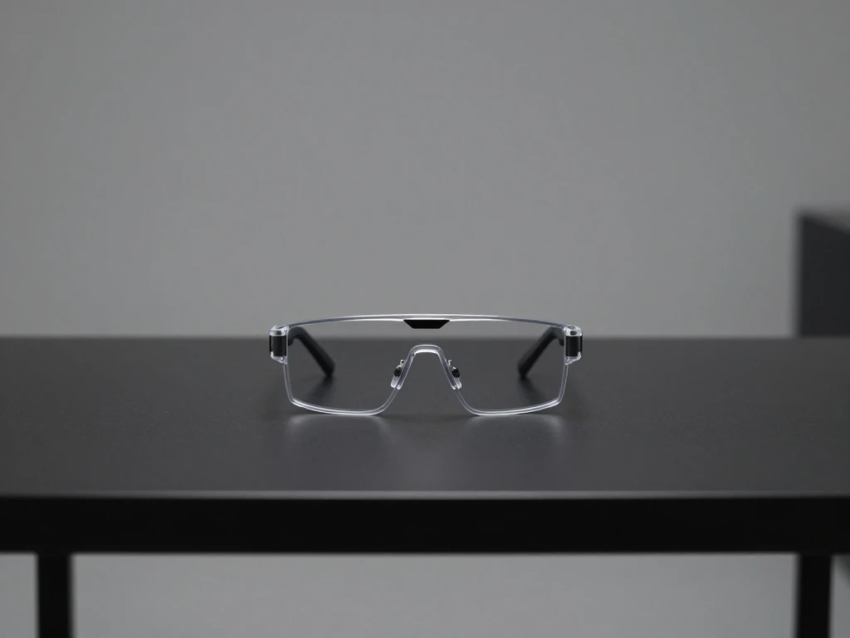
Augmented Reality (AR) is one of the fastest-growing technologies in the modern digital world, and at the center of this innovation are Augmented Reality Glasses. These smart wearable devices are changing how people interact with information, digital content, and the physical world. From gaming and education to healthcare and navigation, AR glasses are creating a new layer of experience that blends reality with virtual elements.
In this article, we will explore what augmented reality glasses are, how they work, their key features, uses, benefits, and future potential in a simple and SEO-friendly way.
What Are Augmented Reality Glasses?
Augmented Reality Glasses are wearable smart devices that overlay digital information—such as images, text, animations, and 3D objects—onto the real world. Unlike virtual reality (VR), which creates a completely digital environment, AR glasses enhance the real world by adding interactive digital elements on top of it.
In simple terms, AR glasses allow you to see both the real world and computer-generated content at the same time. For example, you might see directions floating on the road while walking, or a 3D model of furniture in your living room before buying it.
Popular examples of AR glasses concepts and devices include:
- Microsoft HoloLens
- Google Glass
- Magic Leap One
These devices are still evolving, but they already show the powerful potential of AR technology.
How Do Augmented Reality Glasses Work?
The working of augmented reality glasses is based on a combination of sensors, cameras, processors, and display technology. Let’s break it down step by step.
1. Sensors and Cameras Capture the Real World
AR glasses are equipped with multiple sensors and cameras that continuously scan the environment. These sensors detect:
- Distance of objects
- Movement of the user
- Lighting conditions
- Physical space layout
This data helps the device understand what the user is looking at in real time.
2. Processing Unit Analyzes Data
Once the environment is captured, the built-in processor analyzes the data. It uses advanced technologies like:
- Artificial Intelligence (AI)
- Computer Vision
- Machine Learning
This processing helps the device decide where and how to place digital objects in the real world.
3. Digital Content is Generated
After processing the real-world data, the AR system generates digital content such as:
- 3D models
- Text information
- Images or animations
- Navigation arrows
This content is designed to match the real environment so it feels natural and realistic.
4. Display Technology Projects the Image
The most important part of AR glasses is the display system. It projects digital content directly into the user’s field of view. This can be done using:
- Transparent lenses
- Waveguide technology
- Micro LED displays
The result is a combined view of real-world surroundings and digital overlays.
5. Real-Time Interaction
AR glasses continuously update information in real time. As you move your head or change direction, the digital content adjusts accordingly. This creates a smooth and interactive experience.
For example, if you are using AR navigation, the directions will move with you as you walk.
Key Features of Augmented Reality Glasses
AR glasses come with several advanced features that make them unique:
1. Hands-Free Operation
Users can access information without using phones or computers.
2. Real-Time Data Display
Information is shown instantly based on surroundings.
3. Voice and Gesture Control
Many AR glasses support voice commands and hand gestures.
4. 3D Visualization
Users can interact with 3D models in real environments.
5. Connectivity
AR glasses connect with smartphones, Wi-Fi, or cloud systems for data access.
Uses of Augmented Reality Glasses
Augmented reality glasses are used in many industries. Here are some major applications:
1. Education
Students can learn complex topics through interactive 3D models. For example, anatomy students can explore the human body in detail.
2. Healthcare
Doctors can use AR glasses during surgeries to see real-time patient data, improving accuracy and safety.
3. Gaming and Entertainment
AR gaming creates immersive experiences where virtual characters interact with the real world.
4. Navigation
AR glasses can show walking or driving directions directly in front of your eyes.
5. Engineering and Manufacturing
Engineers can visualize machine parts and designs before building them.
6. Retail and Shopping
Customers can try virtual products like furniture, glasses, or clothing before purchasing.
Benefits of Augmented Reality Glasses
AR glasses offer several advantages:
1. Improved Efficiency
They reduce the need for separate devices and provide quick access to information.
2. Enhanced Learning
Interactive visuals make learning more engaging and easier to understand.
3. Better Decision Making
Real-time data helps users make informed decisions.
4. Increased Productivity
Professionals can multitask while accessing important data hands-free.
5. Immersive Experience
Users enjoy a more engaging and interactive digital experience.
Challenges of AR Glasses
Despite their benefits, AR glasses still face some challenges:
1. High Cost
Advanced AR devices are expensive for general consumers.
2. Battery Life
Continuous processing and display reduce battery performance.
3. Privacy Concerns
Built-in cameras raise concerns about data privacy and security.
4. Limited Content
AR applications are still developing, so content availability is limited.
5. Design and Comfort
Some devices are bulky and not comfortable for long use.
Future of Augmented Reality Glasses
The future of AR glasses looks very promising. With advancements in AI, 5G, and wearable technology, AR glasses are expected to become more powerful and affordable.
In the coming years, we may see:
- Lightweight and stylish AR glasses
- Full-day battery life
- Advanced holographic displays
- Wider use in daily life
- Integration with smart cities and IoT devices
Companies are continuously working to make AR glasses as common as smartphones.
Conclusion
Augmented Reality Glasses represent a major step forward in digital technology. They merge the physical and digital worlds, offering users a unique and interactive experience. From education and healthcare to gaming and business, their applications are vast and growing rapidly.
Although still in development, AR glasses are expected to become an essential part of everyday life in the near future. As technology improves, they will likely replace many traditional devices and change how we interact with the world.