
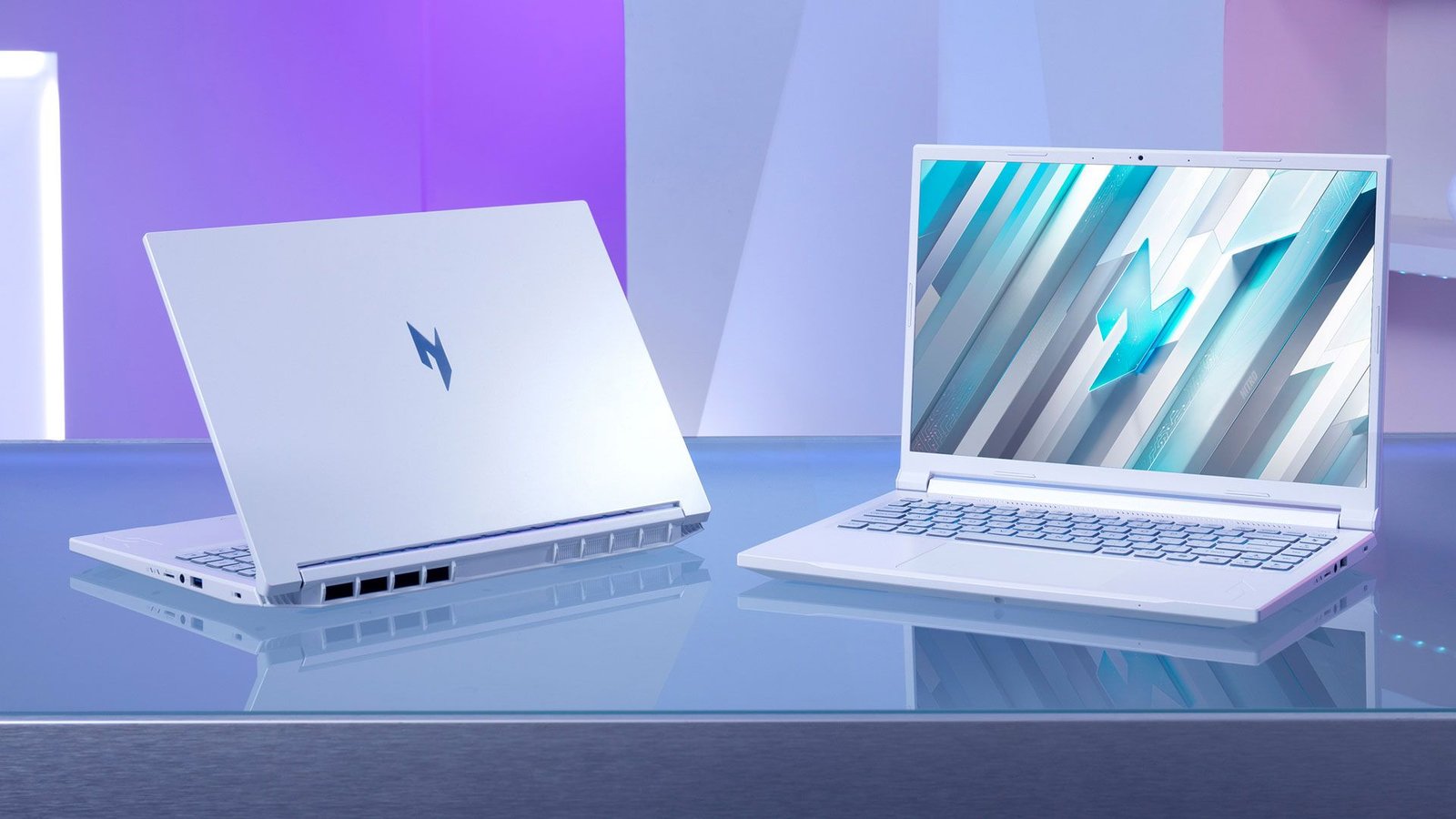
In a move that reflects ongoing shifts in the global technology market, Acer has officially confirmed a price increase across multiple product categories starting February 20. The announcement has sparked conversations among consumers, retailers, and industry analysts, as it signals broader economic pressures impacting the consumer electronics sector.
The decision to raise prices comes at a time when manufacturers worldwide are grappling with rising production costs, supply chain adjustments, and currency fluctuations. For Acer, a company known for its competitive pricing in laptops, monitors, and gaming devices, the move marks a notable shift in its pricing strategy.
Reasons Behind the Price Increase
While the company has not attributed the price hike to a single factor, several key industry trends likely influenced the decision.
First, component costs have experienced fluctuations over the past year. Semiconductor prices, memory modules, display panels, and other essential components have seen periodic increases due to supply constraints and renewed demand. Even as some chip shortages have eased compared to previous years, pricing volatility remains a challenge for manufacturers.
Second, logistics and transportation costs continue to affect the electronics industry. Shipping expenses, warehousing fees, and cross-border tariffs contribute significantly to overall product costs. Although global shipping rates have stabilized compared to peak pandemic levels, they have not fully returned to pre-disruption norms.
Third, currency exchange rates can impact companies with global supply chains. As Acer operates in multiple international markets, variations in currency values can directly influence production and distribution expenses. When the cost of importing parts rises, companies often pass part of that burden on to consumers.
Finally, inflationary pressures in various regions have increased labor, manufacturing, and operational expenses. As production costs rise across the board, maintaining previous pricing structures becomes increasingly difficult without affecting profit margins.
Products Affected by the Hike
The price increase is expected to affect a wide range of Acer products. These may include:
- Consumer laptops
- Gaming laptops and accessories
- Desktop PCs
- Monitors
- Selected peripherals
Gaming-focused products could be particularly impacted, given their reliance on high-performance components such as advanced graphics cards and fast processors. With gaming hardware already positioned at higher price points, even modest increases could influence purchasing decisions.
Budget laptops and entry-level devices may also see adjustments, although manufacturers often attempt to keep price-sensitive categories as stable as possible to maintain market competitiveness.
Impact on Consumers
For consumers, the timing of the price increase may create urgency. Buyers who were considering a purchase might accelerate their decision before February 20 to avoid paying higher prices. Retailers may also witness a short-term spike in sales as customers attempt to lock in current pricing.
However, once the new prices take effect, the impact will vary depending on the magnitude of the increase. If the adjustments are moderate, many consumers may absorb the higher costs without significantly altering their purchasing plans. On the other hand, substantial hikes could push buyers to consider alternative brands or delay upgrades.
Students, remote workers, and gamers—groups that frequently rely on Acer products—could feel the changes most directly. In competitive markets where consumers compare specifications and pricing carefully, even small increases can influence brand loyalty.
Competitive Landscape
Acer operates in a highly competitive environment alongside other global PC manufacturers. Pricing strategy plays a crucial role in market share, particularly in entry-level and mid-range segments. The company has historically positioned itself as a value-driven brand, offering solid performance at accessible price points.
A price increase, therefore, requires careful calibration. If competitors maintain stable pricing, Acer risks losing price-sensitive customers. However, if similar cost pressures affect the entire industry, coordinated price adjustments may occur across multiple brands.
Industry observers note that price increases in the technology sector are rarely isolated events. When one major manufacturer adjusts pricing due to supply chain or production costs, others often follow suit within weeks or months.
Retailer and Distributor Considerations
Retailers and distributors will need to manage inventory strategically ahead of February 20. Products already in stock may retain the old pricing temporarily, depending on agreements with suppliers. This could create a short window where customers can still access lower prices.
At the same time, retailers must communicate clearly with customers to avoid confusion. Transparent messaging about the timing and scope of the price changes can help maintain trust and reduce dissatisfaction.
Promotional campaigns and bundled offers may also play a role in easing the transition. Even with higher base prices, discounts, limited-time deals, or value-added bundles can soften the perceived impact.
Broader Industry Implications
The announcement highlights broader challenges facing the global electronics industry. While technological innovation continues to advance rapidly, economic realities often shape the pace and accessibility of new products.
Manufacturers must balance innovation, affordability, and profitability. Research and development costs, marketing expenses, and sustainability initiatives all contribute to overall financial planning. When operational costs rise, companies face tough decisions: absorb the costs internally, reduce margins, or pass increases on to consumers.
In recent years, the PC market has experienced fluctuating demand. The surge in remote work and online learning created a spike in laptop and desktop sales. As those trends stabilized, demand moderated. Price adjustments may reflect efforts to maintain financial stability amid changing market dynamics.
Consumer Strategies Moving Forward
For consumers, awareness is key. Monitoring pricing trends, comparing models, and evaluating needs carefully can help ensure smart purchasing decisions. If an upgrade is not urgent, waiting for seasonal sales events may offset some of the increase.
Refurbished or certified pre-owned devices can also provide cost-effective alternatives. Additionally, evaluating specifications rather than focusing solely on brand names can open up more budget-friendly options.
It is also important to consider total value rather than initial price alone. Warranty coverage, after-sales service, build quality, and long-term performance all contribute to the overall ownership experience.
Looking Ahead
Whether this price hike represents a short-term adjustment or the beginning of a broader pricing shift remains to be seen. Much will depend on global economic conditions, component supply stability, and competitive responses within the industry.
If production costs stabilize or decrease in the coming months, future price corrections could occur. Conversely, continued economic pressures may result in further adjustments.
For now, Acer’s confirmation of price increases beginning February 20 underscores the interconnected nature of global manufacturing, logistics, and consumer markets. In an industry defined by rapid innovation and tight competition, pricing decisions carry significant weight.
As consumers adapt to changing price landscapes, manufacturers must continue to demonstrate value, reliability, and technological advancement. The coming months will reveal how effectively Acer navigates this transition—and how customers respond in a market where every price tag matters.