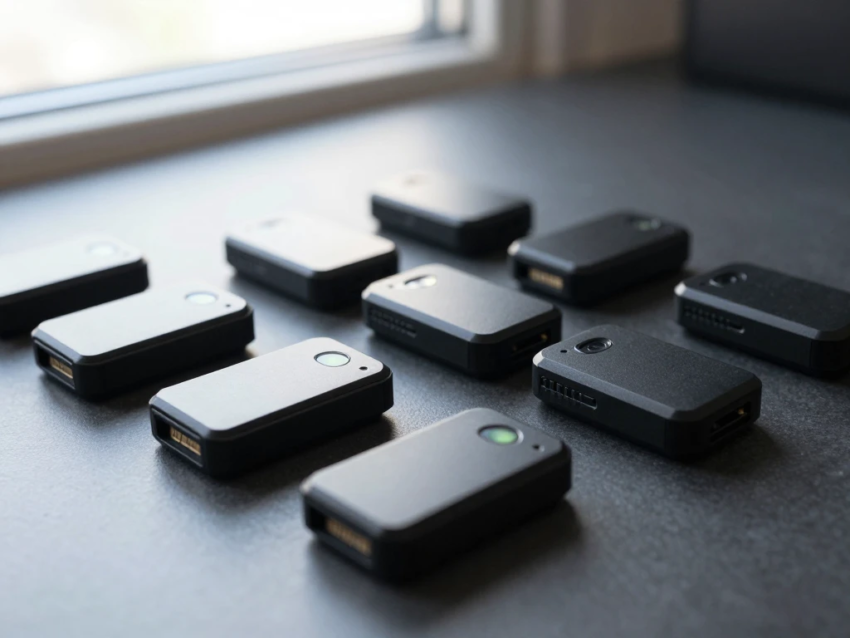
In today’s digital world, location tracking has become an essential part of our daily lives. From navigation in smartphones to vehicle tracking and personal safety devices, Global Positioning System (GPS) trackers play a major role in modern technology. These devices allow users to determine exact locations anywhere on Earth with high accuracy.
In this article, we will explore Global Positioning System trackers, how they work, their key features, benefits, and real-world applications in a simple and SEO-friendly way.
What Are Global Positioning System Trackers?
Global Positioning System trackers are devices that use satellite signals to determine and monitor the exact location of an object, person, or vehicle in real time. They work through a network of satellites orbiting the Earth that communicate with the GPS device to calculate precise positioning.
GPS trackers are widely used in:
- Smartphones
- Vehicles
- Smartwatches
- Delivery systems
- Personal safety devices
In simple terms, a GPS tracker tells you where something is and where it is moving.
How Do GPS Trackers Work?
GPS trackers operate using a combination of satellite communication, receivers, and data processing systems. Here’s how the process works step by step:
1. Satellite Signals
The GPS system uses at least 24 satellites orbiting the Earth. These satellites continuously send signals containing location and time data.
2. Signal Reception
The GPS tracker receives signals from multiple satellites. To calculate an accurate position, it usually needs signals from at least three to four satellites.
3. Triangulation Process
The device uses a method called triangulation to determine the exact location. By measuring the distance from different satellites, it calculates:
- Latitude
- Longitude
- Altitude
4. Data Transmission
Once the location is determined, the GPS tracker sends the data to a server or mobile app using:
- Cellular networks (SIM card)
- Wi-Fi
- Satellite communication
5. Real-Time Tracking
Users can view real-time location updates on smartphones, computers, or tracking platforms.
Types of Global Positioning System Trackers
There are different types of GPS trackers designed for specific uses:
1. Personal GPS Trackers
Used for tracking individuals, especially children, elderly people, or pets for safety.
2. Vehicle GPS Trackers
Installed in cars, bikes, and trucks to monitor movement, speed, and location.
3. Asset GPS Trackers
Used to track valuable goods, shipments, and equipment.
4. Smartphone GPS Trackers
Built into mobile phones for navigation and location-based apps.
5. Wearable GPS Trackers
Found in smartwatches and fitness bands for health and safety tracking.
Key Features of GPS Trackers
Modern GPS trackers come with advanced features that make them highly useful:
1. Real-Time Location Tracking
Provides live updates of the device’s exact position.
2. Geo-Fencing
Users can set virtual boundaries. If the device crosses the area, an alert is sent.
3. Route History
Stores past movement data for analysis.
4. Speed Monitoring
Tracks the speed of vehicles or moving objects.
5. Mobile App Integration
Most GPS trackers can be controlled through mobile apps.
6. Emergency Alerts
Some devices include SOS buttons for emergencies.
Benefits of Global Positioning System Trackers
GPS trackers offer many advantages in daily life and business operations.
1. Improved Security
One of the biggest benefits is enhanced security. GPS trackers help locate stolen vehicles, lost items, or missing persons quickly.
2. Real-Time Monitoring
Users can monitor movement in real time, making it useful for parents, business owners, and logistics companies.
3. Efficient Fleet Management
Businesses that manage delivery trucks or transport services use GPS trackers to:
- Optimize routes
- Reduce fuel costs
- Improve delivery time
4. Personal Safety
GPS trackers help ensure safety of children, elderly people, and solo travelers by allowing family members to track their location.
5. Cost Savings
By improving efficiency and reducing theft or loss, GPS trackers help save money in the long run.
6. Better Productivity
Companies can monitor employee travel routes and ensure efficient use of time and resources.
Applications of GPS Trackers
GPS tracking technology is widely used in many industries:
1. Transportation and Logistics
Used to track trucks, shipments, and delivery routes.
2. Automotive Industry
Car manufacturers integrate GPS systems for navigation and security.
3. Aviation and Shipping
Airplanes and ships rely on GPS for navigation and route planning.
4. Personal Safety
Parents use GPS trackers to monitor children’s location.
5. Law Enforcement
Police use GPS tracking to monitor suspects and recover stolen vehicles.
6. Wildlife Tracking
Researchers use GPS devices to track animal movements and behavior.
Limitations of GPS Trackers
Despite their benefits, GPS trackers also have some limitations:
1. Signal Issues
GPS signals may not work properly in tunnels, dense forests, or underground areas.
2. Battery Dependency
Most GPS trackers require regular charging or external power sources.
3. Privacy Concerns
Continuous tracking may raise privacy issues if misused.
4. Cost
Advanced GPS tracking systems can be expensive for small users.
Future of GPS Tracking Technology
The future of Global Positioning System trackers is very promising. With advancements in AI, IoT (Internet of Things), and 5G networks, GPS technology will become more accurate and powerful.
In the future, we can expect:
- More precise location tracking (centimeter-level accuracy)
- Integration with smart cities
- Autonomous vehicle navigation
- Advanced wearable tracking devices
- Improved battery efficiency
GPS technology will continue to play a vital role in shaping smart transportation, security systems, and personal safety solutions.
Conclusion
Global Positioning System trackers have become an essential part of modern life. From navigation and personal safety to business logistics and wildlife monitoring, their applications are vast and highly valuable.
With features like real-time tracking, geo-fencing, and route monitoring, GPS trackers provide security, convenience, and efficiency. As technology continues to evolve, GPS tracking systems will become even more advanced and widely used across the world.
If you are looking for a reliable way to track location and improve safety, GPS trackers are one of the most powerful tools available today.