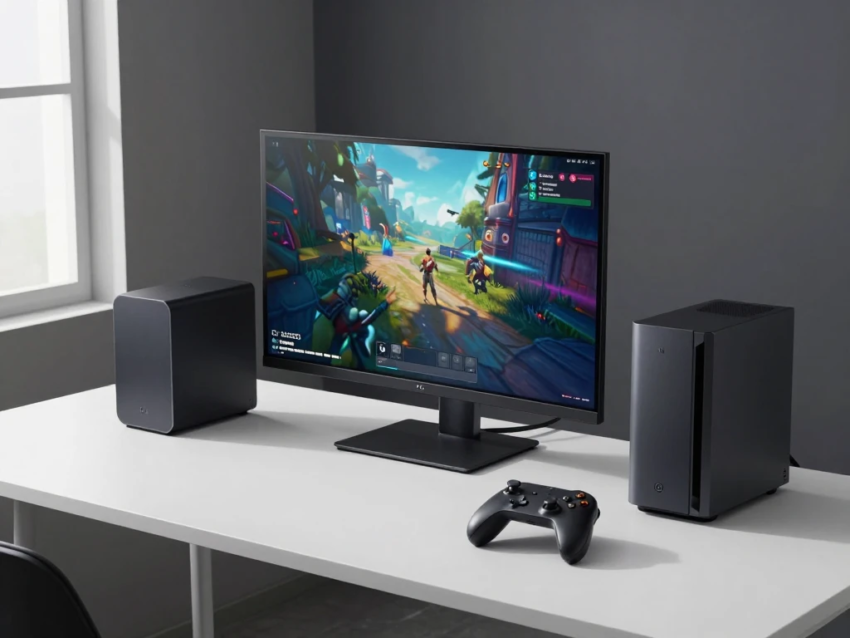
The gaming industry is undergoing a massive transformation, and one of the most revolutionary innovations driving this change is cloud gaming devices. Unlike traditional gaming systems that rely on powerful hardware, cloud gaming allows users to play high-end video games through internet streaming. This means gamers no longer need expensive consoles or gaming PCs to enjoy advanced titles.
Instead, the heavy processing is done on remote servers, and the gameplay is streamed directly to the user’s device. This innovation is reshaping the future of gaming by making it more accessible, affordable, and flexible than ever before.
In this article, we will explore what cloud gaming devices are, how they work, their key features, benefits, challenges, popular platforms, and future trends shaping the gaming industry.
What Are Cloud Gaming Devices?
Cloud gaming devices are hardware systems or platforms that allow users to play video games streamed from remote servers instead of running them locally. These devices can include smart TVs, smartphones, tablets, handheld gaming systems, and specialized cloud gaming consoles.
Unlike traditional gaming setups that depend on local processing power, cloud gaming devices rely on fast internet connections to stream gameplay in real time. This eliminates the need for high-end GPUs, CPUs, or large storage capacities.
In simple terms, cloud gaming turns any compatible device into a powerful gaming machine.
How Cloud Gaming Works
Cloud gaming operates through a simple but powerful system that combines remote servers, fast internet, and streaming technology.
1. Remote Servers
The game runs on powerful servers located in data centers. These servers handle all processing, graphics rendering, and game logic.
2. Video Streaming
The output of the game is converted into a video stream and sent to the user’s device in real time.
3. User Input
When a player presses a button or moves a controller, the input is sent back to the server instantly.
4. Real-Time Feedback
The server processes the input and updates the game, sending the new visual data back to the player within milliseconds.
This cycle happens continuously, creating a smooth and interactive gaming experience.
Key Features of Cloud Gaming Devices
Cloud gaming devices come with several advanced features that make them unique.
No High-End Hardware Required
Users do not need expensive gaming PCs or consoles, as all processing is handled in the cloud.
Instant Game Access
Games can be launched instantly without long downloads or installations.
Cross-Device Compatibility
Players can switch between devices such as smartphones, tablets, PCs, and smart TVs.
Large Game Libraries
Cloud gaming platforms often offer subscription-based access to hundreds of games.
Automatic Updates
Games are always updated on the server, so users don’t need to manually install patches.
Scalable Performance
Graphics and performance depend on server capabilities rather than local hardware.
Popular Cloud Gaming Platforms and Devices
Several companies have developed powerful cloud gaming ecosystems.
Xbox Cloud Gaming
Xbox Cloud Gaming is part of Microsoft’s gaming ecosystem and allows users to stream Xbox games on multiple devices using a subscription model.
NVIDIA GeForce NOW
NVIDIA GeForce NOW enables users to stream PC games they already own from platforms like Steam and Epic Games Store with high performance.
Amazon Luna
Amazon Luna is a cloud gaming service that offers channel-based subscriptions and supports multiple devices including Fire TV.
PlayStation Cloud Gaming
PlayStation Cloud Gaming allows users to stream PlayStation games without downloading them locally, expanding access to console-quality gaming.
Benefits of Cloud Gaming Devices
Cloud gaming offers several advantages that are changing the gaming landscape.
Affordable Gaming
Players do not need to invest in expensive hardware, making gaming more accessible.
Portability
Games can be played on almost any device with an internet connection.
No Storage Limitations
Since games run on the cloud, users don’t need large storage space.
Instant Play Experience
No downloads or installations mean faster access to games.
High-Quality Graphics
Games are rendered on powerful servers, delivering high-end visuals even on low-end devices.
Easy Maintenance
There is no need to upgrade hardware frequently, reducing long-term costs.
Challenges of Cloud Gaming Devices
Despite their benefits, cloud gaming still faces several challenges.
Internet Dependency
A stable and high-speed internet connection is required for smooth gameplay.
Latency Issues
Delays between user input and server response can affect real-time gaming performance.
Data Usage
Streaming games consumes a significant amount of internet data.
Limited Offline Access
Cloud gaming cannot be used without internet connectivity.
Subscription Costs
While hardware costs are reduced, subscription fees may still add up over time.
Cloud Gaming vs Traditional Gaming
Cloud gaming differs significantly from traditional gaming systems.
Traditional gaming relies on local hardware like consoles or PCs to run games, while cloud gaming depends on remote servers.
While traditional gaming offers full control and offline access, cloud gaming provides flexibility, accessibility, and lower entry costs.
Both systems have their advantages, but cloud gaming is becoming increasingly popular due to its convenience.
Role of Internet Technology in Cloud Gaming
Cloud gaming heavily depends on internet infrastructure. Technologies such as 5G, fiber-optic broadband, and low-latency networks are essential for delivering smooth gameplay.
Faster internet speeds reduce lag, improve video quality, and enhance real-time responsiveness. As global internet infrastructure continues to improve, cloud gaming will become more reliable and widespread.
Future Trends in Cloud Gaming Devices
The future of cloud gaming is highly promising, with several innovations expected to shape the industry.
Expansion of 5G Networks
5G will significantly reduce latency and improve streaming quality, making cloud gaming more responsive.
AI Optimization
Artificial intelligence will enhance server performance and optimize streaming quality based on user conditions.
Integration with Smart Devices
Cloud gaming will expand to smart TVs, wearable devices, and even car entertainment systems.
Subscription-Based Ecosystems
Gaming subscriptions will continue to grow, offering unlimited access to large game libraries.
Hybrid Gaming Models
Future systems may combine cloud streaming with local processing for improved performance.
Global Accessibility
Cloud gaming will make high-quality gaming accessible in regions where expensive hardware is not affordable.
Impact of Cloud Gaming on the Gaming Industry
Cloud gaming is reshaping how games are developed, distributed, and played.
Developers are designing games that are optimized for streaming performance and cross-platform compatibility. The industry is also shifting toward subscription-based models rather than physical game sales.
This transformation is expanding the gaming audience and making gaming more inclusive and accessible worldwide.
Best Practices for Cloud Gaming Users
To enjoy the best cloud gaming experience, users should consider the following:
- Use a high-speed internet connection (preferably fiber or 5G)
- Close background applications to reduce bandwidth usage
- Use wired connections when possible for stability
- Choose platforms with nearby server locations
- Monitor data usage to avoid exceeding limits
- Select subscription plans based on gaming needs
Conclusion
Cloud Gaming Devices represent the future of gaming without limits, offering players the ability to enjoy high-quality games without expensive hardware. By shifting processing power to remote servers, cloud gaming makes advanced gaming experiences accessible on almost any device.
Although challenges like latency, internet dependency, and data usage still exist, rapid advancements in 5G, AI, and cloud infrastructure are continuously improving the technology.
As the gaming industry evolves, cloud gaming will play a major role in creating a more flexible, affordable, and connected gaming ecosystem. The future of gaming is not just about powerful hardware—it is about limitless access, and cloud gaming is leading that revolution.