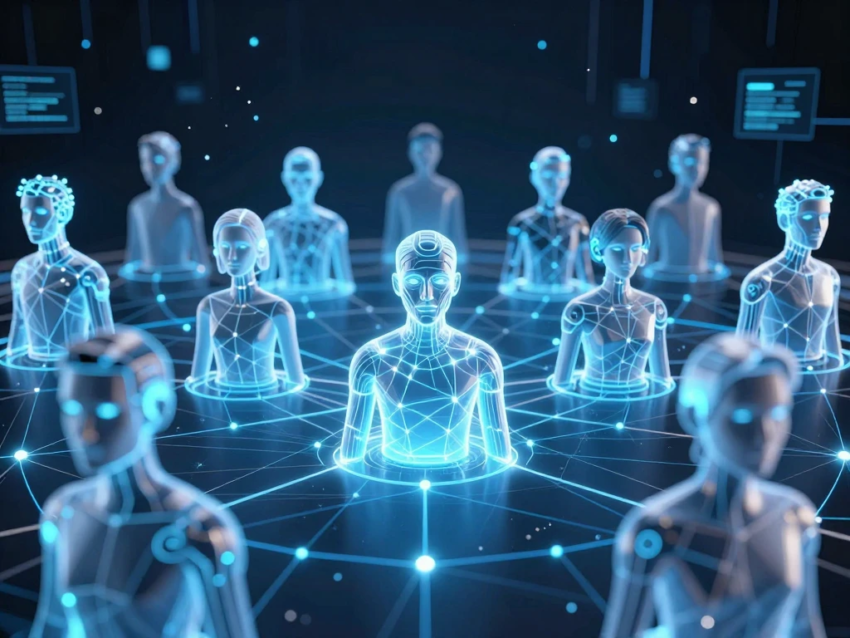
The internet is evolving faster than ever before, moving from static web pages to interactive platforms and now toward fully immersive digital environments. Two major concepts driving this transformation are Web3 and the Metaverse. Together, they represent the next generation of the internet, where users gain more control over their data, digital identity, and online experiences.
Web3 introduces a decentralized internet powered by blockchain technology, while the Metaverse creates immersive virtual worlds where people can interact, work, play, and socialize. These innovations are not just technological trends—they are reshaping how humans connect with digital systems.
In this article, we will explore what Web3 and the Metaverse are, how they work, their key features, benefits, applications, challenges, and future possibilities.
What is Web3?
Web3 refers to the third generation of the internet built on decentralized technologies such as blockchain. Unlike Web2, where data is controlled by centralized platforms like social media companies and tech giants, Web3 aims to give ownership back to users.
Evolution of the Web
- Web1: Static web pages (read-only internet)
- Web2: Interactive platforms (social media, apps, user-generated content)
- Web3: Decentralized internet (user ownership and blockchain-based systems)
In Web3, users can own digital assets, control their identity, and interact directly without intermediaries.
What is the Metaverse?
The Metaverse is a virtual, immersive digital world where users can interact with each other and digital environments in real time. It combines technologies like virtual reality (VR), augmented reality (AR), blockchain, and artificial intelligence.
In simple terms, the Metaverse is a 3D version of the internet where users can:
- Attend virtual meetings
- Play immersive games
- Shop in virtual stores
- Create digital assets
- Socialize in real time
How Web3 and Metaverse Work Together
Web3 and the Metaverse are closely connected. Web3 provides the decentralized infrastructure, while the Metaverse offers the immersive user experience.
Blockchain Technology
Blockchain ensures transparency, security, and ownership of digital assets in both Web3 and the Metaverse.
Digital Identity
Users can create decentralized identities that work across multiple platforms without relying on centralized accounts.
Smart Contracts
Smart contracts automate transactions and interactions within virtual environments.
NFTs and Digital Ownership
Non-fungible tokens (NFTs) allow users to own digital items such as land, clothing, and collectibles in the Metaverse.
Key Features of Web3
Web3 introduces several revolutionary features that differentiate it from traditional internet systems.
Decentralization
No single authority controls the network; power is distributed among users.
Data Ownership
Users have full control over their personal data and digital identity.
Transparency
All transactions are recorded on blockchain networks, making them publicly verifiable.
Token-Based Economy
Web3 uses cryptocurrencies and tokens for transactions and rewards.
Interoperability
Different platforms and applications can work together seamlessly.
Key Features of the Metaverse
The Metaverse focuses on immersive and interactive experiences.
Virtual Reality Integration
Users can enter 3D environments using VR headsets.
Real-Time Interaction
People can interact with others in real time through avatars.
Digital Economies
Virtual goods and services can be bought, sold, and traded.
Persistent Worlds
Metaverse environments continue to exist and evolve even when users are offline.
Cross-Platform Access
Users can access the Metaverse from VR devices, computers, and smartphones.
Real-World Applications of Web3 and Metaverse
Both Web3 and the Metaverse are already being used in multiple industries.
1. Gaming Industry
Web3 gaming allows players to truly own in-game assets using blockchain technology. Metaverse games offer immersive experiences with virtual economies.
2. Education
Virtual classrooms in the Metaverse enable interactive and engaging learning environments.
3. Business and Workspaces
Companies use virtual offices for remote collaboration and meetings.
4. Healthcare
Doctors use virtual simulations for training and patient interaction.
5. E-Commerce
Virtual stores allow customers to shop in 3D environments.
6. Entertainment
Concerts, events, and movie experiences are now hosted in virtual worlds.
Benefits of Web3 and Metaverse
These technologies offer several major advantages.
User Empowerment
Users gain control over their identity, data, and digital assets.
Global Accessibility
Anyone with an internet connection can participate in virtual worlds.
New Economic Opportunities
Creators can monetize digital content and virtual goods.
Enhanced Interaction
Immersive environments improve communication and engagement.
Transparency and Security
Blockchain technology ensures secure and transparent systems.
Challenges of Web3 and Metaverse
Despite their potential, there are several challenges.
High Technology Requirements
VR devices and powerful hardware are needed for full experiences.
Scalability Issues
Blockchain networks sometimes struggle with large-scale adoption.
Privacy Concerns
Digital identity systems must ensure user privacy and security.
Regulation Uncertainty
Governments are still developing laws for decentralized systems.
User Adoption
Many users are still unfamiliar with these new technologies.
Role of Blockchain in Web3 and Metaverse
Blockchain is the foundation of both systems.
It provides:
- Secure transactions
- Digital ownership verification
- Decentralized governance
- Transparent records
Without blockchain, Web3 and the Metaverse would not function effectively.
Digital Assets in the Metaverse
Digital ownership is a key concept in virtual worlds.
Users can own:
- Virtual land
- Avatars
- Clothing and accessories
- Digital art
- Virtual real estate
These assets are often represented as NFTs, ensuring uniqueness and ownership.
Future Trends in Web3 and Metaverse
The future of these technologies is highly promising.
AI Integration
Artificial intelligence will improve personalization and automation.
Improved VR/AR Devices
More advanced headsets will make virtual experiences more realistic.
Decentralized Applications (dApps)
Web3 applications will replace many traditional platforms.
Virtual Economies Growth
Digital economies will expand significantly with real-world value.
Interconnected Metaverse Worlds
Different virtual worlds will become interconnected.
Impact on the Digital Economy
Web3 and the Metaverse are reshaping global digital economies by introducing new business models, job opportunities, and revenue streams.
Creators, developers, and businesses can now earn income through virtual goods, services, and experiences.
This shift is creating a more inclusive and decentralized digital economy.
Web3 vs Traditional Internet
Traditional internet systems rely on centralized servers and platforms. In contrast, Web3 distributes control among users through blockchain networks.
This shift reduces dependency on big tech companies and increases transparency and fairness.
Conclusion
Web3 and the Metaverse represent the next generation of the internet, combining decentralization, blockchain technology, and immersive virtual experiences. Together, they are transforming how people interact, work, learn, and create value online.
While challenges such as scalability, regulation, and adoption still exist, continuous innovation is driving rapid progress in this space.
As technology evolves, Web3 and the Metaverse will play a central role in shaping a more open, interactive, and user-controlled digital future. They are not just trends—they are the foundation of the next digital revolution.