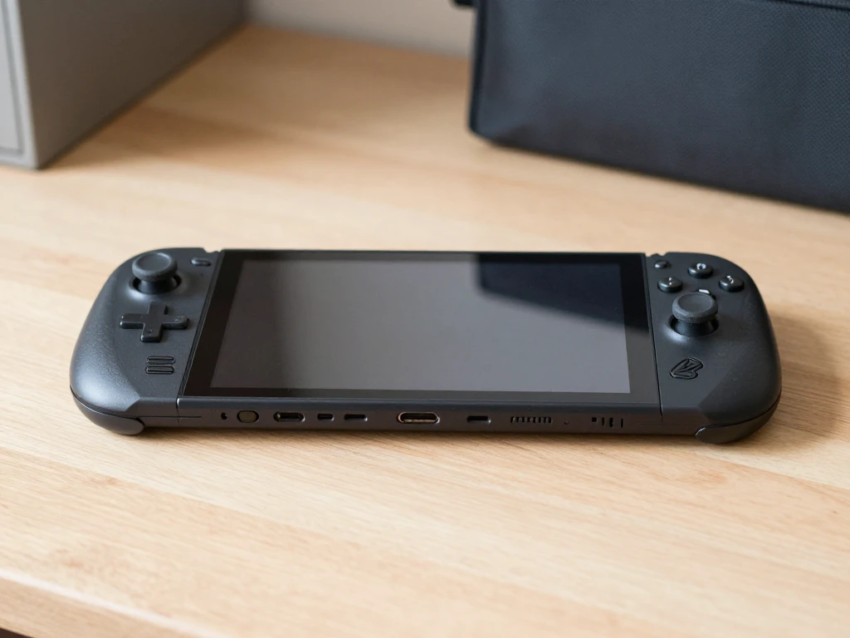
The gaming industry has evolved dramatically over the past few decades, moving from simple arcade machines to highly advanced gaming ecosystems. One of the most exciting developments in this evolution is the rise of handheld gaming consoles. These portable devices have transformed how people play games by allowing users to enjoy high-quality gaming experiences anytime and anywhere.
Today’s handheld gaming consoles are no longer limited to basic graphics or simple gameplay. Instead, they now offer powerful processors, high-resolution displays, cloud gaming support, and access to vast game libraries. As technology continues to advance, handheld gaming is becoming a major part of the future of portable entertainment.
In this article, we will explore what handheld gaming consoles are, how they work, their features, benefits, popular examples, challenges, and future trends shaping the portable gaming industry.
What Are Handheld Gaming Consoles?
Handheld gaming consoles are compact, portable electronic devices designed specifically for playing video games on the go. Unlike traditional home gaming consoles that require a television or monitor, handheld consoles come with built-in screens, controllers, and rechargeable batteries.
These devices allow players to enjoy gaming experiences anywhere—whether traveling, commuting, or relaxing at home. Over time, handheld consoles have evolved from simple gaming devices into powerful mini-computers capable of running complex and high-quality games.
Some modern handheld consoles even support online multiplayer gaming, streaming services, and cloud-based game libraries.
How Handheld Gaming Consoles Work
Handheld gaming consoles operate using integrated hardware and software systems designed for portable performance.
Processor and GPU
At the core of every handheld console is a processor (CPU) and graphics processing unit (GPU). These components handle game performance, visuals, and real-time rendering.
Memory and Storage
Modern handheld consoles come with RAM for smooth multitasking and internal storage for installing games, updates, and downloadable content.
Display Screen
High-resolution LCD or OLED screens provide vibrant visuals and smooth gameplay experiences, often supporting touch input.
Battery System
Rechargeable lithium-ion batteries power handheld consoles, allowing hours of uninterrupted gaming.
Operating System
Most devices run on custom operating systems designed to manage games, apps, online services, and system updates.
Connectivity
Wi-Fi and Bluetooth enable online multiplayer gaming, cloud saves, and connectivity with accessories like controllers and headphones.
Key Features of Handheld Gaming Consoles
Modern handheld gaming consoles offer several advanced features that enhance the gaming experience.
Portability
The biggest advantage is portability. Players can carry the device anywhere and play games without needing a TV or desktop setup.
High-Quality Graphics
Modern handheld consoles support HD and even 4K-level graphics in some cases, delivering immersive visuals.
Cloud Gaming Support
Many devices now support cloud gaming, allowing users to stream high-end games without needing powerful hardware.
Multiplayer Connectivity
Players can connect with friends online and enjoy multiplayer gaming experiences anywhere.
Touch and Motion Controls
Advanced control systems include touchscreens, motion sensors, and ergonomic buttons for better gameplay interaction.
Game Libraries
Handheld consoles offer access to large digital libraries with thousands of games across different genres.
Popular Handheld Gaming Consoles
Several handheld gaming consoles have shaped the gaming industry.
Nintendo Switch
One of the most popular handheld consoles, the Nintendo Switch offers hybrid gaming, allowing users to switch between handheld and TV mode seamlessly. It features a massive library of exclusive games and strong multiplayer support.
Steam Deck
The Steam Deck by Valve brings PC gaming to a portable device. It allows users to play Steam library games on the go with impressive performance and customization options.
PlayStation Portable (PSP)
The PlayStation Portable (PSP) was a groundbreaking handheld console by Sony that introduced high-quality portable gaming and multimedia features.
PlayStation Vita
The PlayStation Vita improved on the PSP with better graphics, touchscreen controls, and remote play features.
Nintendo 3DS
The Nintendo 3DS introduced glasses-free 3D gaming and a strong library of portable titles.
Benefits of Handheld Gaming Consoles
Handheld gaming consoles offer many advantages for gamers.
Convenience
Players can enjoy gaming anytime and anywhere without needing a fixed setup.
Affordable Entertainment
Compared to gaming PCs or high-end consoles, handheld devices are often more affordable.
Wide Game Selection
From casual games to AAA titles, handheld consoles offer diverse gaming options.
Social Connectivity
Online multiplayer features allow gamers to connect and compete globally.
Energy Efficiency
Handheld devices consume less power compared to full gaming systems.
Compact Design
Their lightweight and portable design makes them easy to carry during travel.
Challenges of Handheld Gaming Consoles
Despite their popularity, handheld gaming consoles face some challenges.
Limited Hardware Power
Compared to gaming PCs and consoles, handheld devices may have lower performance capabilities.
Battery Life Constraints
High-performance games can drain batteries quickly, limiting gameplay time.
Smaller Screen Size
Smaller displays may reduce immersion compared to large monitors or TVs.
Storage Limitations
Some devices may require additional storage for large modern games.
Heat Management
Intensive gaming sessions can cause overheating in compact devices.
Handheld Gaming vs Traditional Gaming Systems
Handheld gaming consoles differ significantly from traditional gaming systems.
While traditional consoles like PlayStation or Xbox offer higher performance and better graphics, handheld consoles provide unmatched portability and convenience.
The choice depends on user preference—casual gamers often prefer handheld devices, while hardcore gamers may prefer high-performance setups.
The Role of Cloud Gaming in Handheld Devices
Cloud gaming is transforming handheld gaming consoles by reducing hardware limitations.
Instead of running games locally, cloud gaming allows users to stream games from powerful remote servers. This means even small devices can run high-end games without requiring advanced internal hardware.
This technology is expected to play a major role in the future of portable gaming.
Future Trends in Handheld Gaming Consoles
The future of handheld gaming is exciting and full of innovation.
Advanced AI Integration
Future consoles may use Artificial Intelligence to improve gameplay, adjust difficulty levels, and personalize gaming experiences.
Better Battery Technology
New battery innovations will provide longer gameplay sessions with faster charging capabilities.
Augmented Reality (AR) Gaming
Handheld devices may integrate AR features to blend real-world environments with virtual gameplay.
More Powerful Hardware
Future consoles will feature faster processors, improved GPUs, and enhanced cooling systems.
Cross-Platform Gaming
Players will be able to seamlessly switch between handheld devices, PCs, and consoles.
Expanded Cloud Gaming Ecosystem
Cloud-based gaming services will make high-end games accessible on all handheld devices.
Foldable and Flexible Screens
Innovations in display technology may lead to foldable handheld gaming devices for better portability.
Impact of Handheld Gaming Consoles on the Gaming Industry
Handheld gaming consoles have significantly influenced the gaming industry by making gaming more accessible and flexible.
They have expanded the market to casual gamers, younger audiences, and mobile users. Game developers are now designing titles specifically optimized for portable devices, ensuring smooth performance and engaging gameplay.
This shift has also encouraged innovation in game design, user experience, and cross-platform compatibility.
Best Practices for Choosing a Handheld Gaming Console
When selecting a handheld gaming console, users should consider the following factors:
- Game library availability
- Battery life and performance
- Display quality and size
- Storage capacity
- Online and multiplayer features
- Budget and pricing
- Ecosystem compatibility
Choosing the right device depends on personal gaming preferences and usage habits.
Conclusion
Handheld Gaming Consoles represent the future of portable gaming by offering flexibility, convenience, and powerful gaming experiences in a compact form. With advancements in hardware, cloud gaming, AI, and display technologies, these devices are becoming more powerful and versatile than ever before.
From iconic devices like the Nintendo Switch and Steam Deck to emerging innovations in AR and cloud-based gaming, the industry continues to evolve rapidly. Despite challenges such as battery life and hardware limitations, the future of handheld gaming looks extremely promising.
As technology continues to advance, handheld gaming consoles will play a central role in shaping the next generation of interactive entertainment, making high-quality gaming accessible anytime, anywhere.